By Heather Hamilton, LMHC & Elliot Cecil, D.O.
Chronic pain and depression are often discussed as separate problems: one physical, one emotional. But for many individuals, they are deeply intertwined. Pain changes mood. Mood changes pain. Both can affect sleep, movement, energy, motivation, relationships, and a person’s overall sense of safety within their own body.
This overlap is one reason many clinicians are beginning to look beyond single-system explanations. Chronic pain and depression are not simply “in the body” or “in the mind.” They involve the nervous system as a whole: the brain, spinal cord, autonomic nervous system, immune signaling, fascia, breath, movement, memory, emotion, and lived experience.
As our understanding of mental health continues to evolve, there is growing recognition that meaningful healing often requires more than a single approach. Rather than viewing physical and emotional health as separate, integrative models seek to support the whole person by addressing both mind and body.
One such approach gaining attention is Ketamine-Assisted Psychotherapy (KAP); a treatment that combines psychotherapy with carefully facilitated ketamine sessions to deepen insight, increase psychological flexibility, and support lasting change.
What Is Ketamine-Assisted Psychotherapy?
Ketamine-Assisted Psychotherapy (KAP) is a structured therapeutic process that combines psychotherapy with carefully facilitated ketamine sessions in a medically supervised setting. At sub-anesthetic doses, ketamine can create a temporary shift in awareness that allows individuals to access thoughts, emotions, memories, and patterns that may otherwise feel difficult to reach. This process is not about escaping reality, it is about increasing perspective, flexibility, and openness within psychotherapy.
KAP typically unfolds through three interconnected phases:
- Preparation: Clarifying intentions, building safety, and establishing therapeutic goals.
- Medicine Sessions: Guided ketamine experiences within a carefully monitored clinical environment.
- Integration: Working alongside a therapist to explore the experience, make meaning of emerging insights, and translate those discoveries into daily life.
Research suggests ketamine may temporarily soften rigid patterns of thinking while supporting the brain’s neuroplasticity; its capacity to form new neural connections. This may allow individuals to approach longstanding challenges with greater curiosity, emotional openness, and flexibility, particularly when combined with ongoing psychotherapy.
It is within this broader therapeutic framework that the relationship between KAP and osteopathic medicine becomes especially compelling.
Where Osteopathic Manipulative Medicine Fits
Osteopathic manipulative medicine (OMM) approaches the body as an interconnected system. Rather than focusing only on isolated muscles or joints, an osteopathic physician evaluates how structure and function relate across the musculoskeletal system, fascia, lymphatics, circulation, respiration, and the nervous system.
This differs from physical therapy or personal training. OMM is a physician-led, hands-on medical approach that identifies areas where the body may be restricted, guarded, congested, or poorly integrated.
In the context of chronic pain and depression, this matters because the body is constantly sending information to the brain. This includes proprioceptive input from joints and muscles, interoceptive input from internal tissues and organs, breath-related input from the diaphragm and rib cage, and autonomic input related to safety, threat, and regulation.
When those signals are shaped by chronic guarding, pain, trauma, inflammation, poor sleep, or long-standing compensatory patterns, the nervous system may continue interpreting the body as unsafe, even after the original injury or stressor has passed.
OMM may help improve the quality of those signals. Rather than forcing the body into a new position, the goal is to restore its natural adaptability and capacity for self-regulation.
A Top-Down and Bottom-Up Partnership
One way to understand the relationship between ketamine-assisted psychotherapy and osteopathic care is through the idea of top-down and bottom-up healing.
KAP may help individuals access new perspectives, loosen rigid emotional or cognitive patterns, and process experiences differently. In this sense, it works largely from the top down—through perception, emotion, meaning-making, and psychological flexibility.
OMM works primarily from the bottom up. By addressing the body’s mechanical, fascial, respiratory, lymphatic, and autonomic systems, it helps provide the nervous system with clearer, safer, and more organized input.
Simply put:
- Ketamine-assisted psychotherapy may help create an opening.
- Osteopathic treatment may help the body organize around that opening.
Neither replaces the other. Rather, they may complement one another by supporting different aspects of the healing process.
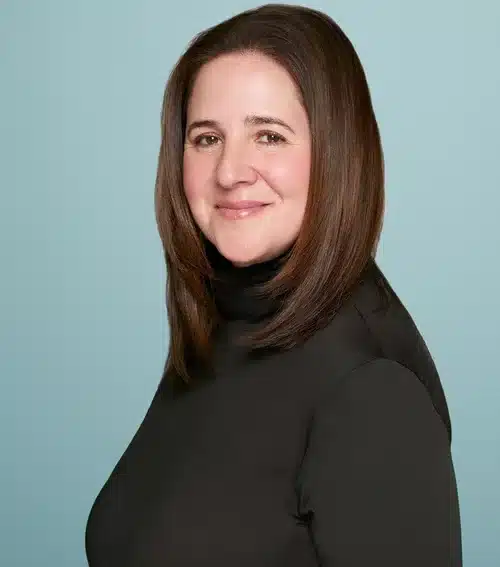
Heather Hamilton, LMHC, is a psychotherapist specializing in chronic pain and illness, trauma and PTSD, couples therapy, and Ketamine-Assisted Psychotherapy (KAP). Her integrative approach draws from Internal Family Systems (IFS), mindfulness-based CBT, EMDR, and somatic therapy to explore the connection between emotional and physical well-being. Heather is particularly passionate about supporting individuals whose chronic health conditions, trauma, and life experiences have affected their sense of safety, identity, relationships, and connection to their bodies. She helps clients build greater resilience, self-compassion, and flexibility while moving toward fuller, more connected lives. Learn more about Heather
Elliot Cecil, D.O., is an osteopathic physician specializing in Neuromuscular Medicine and Osteopathic Manipulative Medicine (OMM). Through gentle, hands-on osteopathic techniques, he works with the interconnected relationships among the musculoskeletal system, fascia, nervous system, respiration, and other bodily systems to help address pain, restore function, and support the body’s natural capacity for healing. Dr. Cecil has experience treating chronic and complex conditions including migraines, TMJ disorders, concussion, scoliosis, Ehlers-Danlos syndrome, and POTS. In addition to his clinical practice in New York City, he serves as a professor at Touro College of Osteopathic Medicine, where he teaches osteopathic principles, hands-on techniques, and physical diagnosis.
Location: 50 W 97th Street, Suite 1-J, New York, NY 10025 — Upper West Side
Phone: (317) 449-9491